
• Global News
  • Innovation in Canada
  • Tech Trends for Canada
  • Reports
  • Global News
  • Innovation in Canada
  • Tech Trends for Canada
  • Reports
Home AI

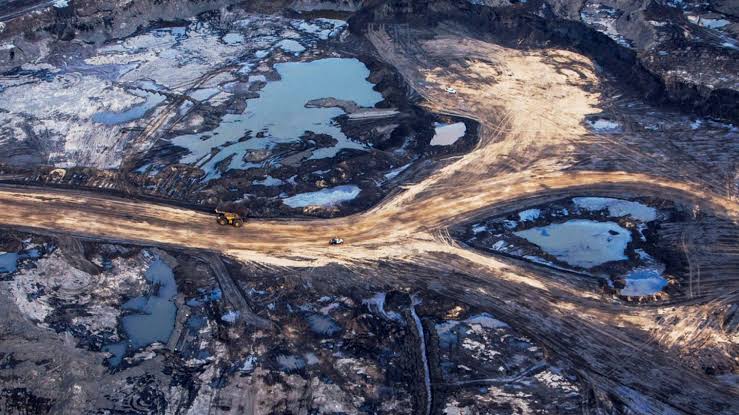
Canada’s Oil Sands Automation Pushes Costs Below US Shale

by Onyinye Moyosore
July 18, 2025
in AI, Energy & Infrastructure, Industrial Tech, Innovation in Canada
Reading Time: 2 mins read
Share on FacebookShare on Twitter

Canada’s oil sands used to sit at the top of the global cost curve. A Reuters analysis puts average operating costs for core projects at 41 to 43 US dollars a barrel, cheaper than most United States shale plays. The shift is driven not by new drilling techniques but by autonomous trucks, predictive maintenance and real-time data models.

You might also like

EQT Plans Up To 10,000 Humanoid Robots Across Its Portfolio In New Partnership With 1X

Disney Installs OpenAI’s Sora In New Deal To Generate AI Videos With Its Characters

Neptune.ai To Shut Down After OpenAI Acquisition

Automation’s Cost Impact

Imperial Oil’s Kearl mine operates fifty autonomous Caterpillar trucks, each hauling 400 tonnes around the clock without driver fatigue. Suncor’s Fort Hills site uses Boston Dynamics Spot robots to inspect tailings lines and leak points. Digital-twin software combines sensor data with weather feeds to adjust throughput in real time. According to Suncor, machine learning diagnostics have extended maintenance intervals and cut annual turnaround costs by 100 million Canadian dollars.

Downtime is falling, throughput is rising and variable costs are shrinking. At Kearl, Imperial reports a four per cent boost in equipment availability after deploying AI driven maintenance scheduling. Cenovus’s Christina Lake field uses drone surveys to map heat loss, saving steam and reducing gas burn. These gains push break-even levels below many shale basins.

A June 2025 estimate from Rystad Energy shows most Permian and Bakken shale plays need about 65 US dollars a barrel to break even. Western Canadian Select averaged 70 dollars in the first half of 2025, leaving a healthy spread for oil-sands operators. Lower costs give producers breathing room amid volatile prices and attract industrial-AI vendors such as Novamera and Exyn, which see the mines as reliable test beds for autonomy at scale.

Why Low Costs Matter for Investors

Automation also helps lower emissions. Precision drilling reduces steam-oil ratios, while remote control rooms cut light-vehicle traffic on fragile muskeg. Real-time leak detection limits methane venting. These improvements feed into the Pathways Alliance 2023 plan to cut sector emissions by 22 million tonnes a year by 2030, showing that climate action can occur inside legacy assets as well as new wind farms.

Signals to watch over the next 18 months include additional autonomous haul fleets, wider real-time optimisation trials and regulatory clarity on carbon-capture credits. Such credits could accelerate further digital upgrades, and other heavy sectors—mining, power and large scale farming—are likely to study the oil-sands playbook.

Automation has not solved every challenge, but it has flipped the cost narrative. Canada’s largest resource now doubles as a showcase for industrial AI. The key question is where that playbook heads next.

ADVERTISEMENT
Previous Post

Factory Sales Down 0.9 Per Cent, Clouding Canada’s Industrial Tech Outlook

Next Post

25 Per Cent Steel Tariff Could Delay Canadian 5G and Clean Tech Builds

Recommended For You

EQT Plans Up To 10,000 Humanoid Robots Across Its Portfolio In New Partnership With 1X
Big Tech

EQT Plans Up To 10,000 Humanoid Robots Across Its Portfolio In New Partnership With 1X

by Onyinye Moyosore
December 12, 2025
0

1X has entered a global partnership with investment firm EQT to make as many as 10,000 humanoid robots available to EQT’s portfolio companies between 2026 and 2030. The agreement centres...

Read moreDetails
Disney Installs OpenAI’s Sora In New Deal To Generate AI Videos With Its Characters

Disney Installs OpenAI’s Sora In New Deal To Generate AI Videos With Its Characters

December 12, 2025
Neptune.ai To Shut Down After OpenAI Acquisition

Neptune.ai To Shut Down After OpenAI Acquisition

December 10, 2025
OpenAI Faces Backlash Over Ads in ChatGPT

OpenAI Faces Backlash Over Ads in ChatGPT

December 8, 2025
How to Build Inclusive Teams That Drive Innovation in Black-Owned Businesses

How to Build Inclusive Teams That Drive Innovation in Black-Owned Businesses

November 28, 2025
Next Post

25 Per Cent Steel Tariff Could Delay Canadian 5G and Clean Tech Builds

U.S. $70B AI and Energy Push Puts Pressure on Canada’s Innovation Agenda

Leave a Reply Cancel reply

Your email address will not be published. Required fields are marked *

ADVERTISEMENT

Subscribe to our Newsletter

Recent News

Unmissable BFN Black Career Conference Pitch Competition 2026 in Toronto as Black Founders Pitch for Funding

Unmissable BFN Black Career Conference Pitch Competition 2026 in Toronto as Black Founders Pitch for Funding

January 22, 2026
John Roese supports AI factories

AI Factories: The Future of Disaster Recovery in 2026

December 19, 2025
From Warner Bros To World Cup Games, Netflix Is Buying Cultural Gravity

From Warner Bros To World Cup Games, Netflix Is Buying Cultural Gravity

December 18, 2025

Why “slop” became Merriam-Webster’s word of the year in the age of heavy AI use

December 17, 2025

Where Canada’s Tech Revolution Begins – Covering tech innovations, startups, and developments across Canada.​

Facebook X-twitter Instagram Linkedin

Get In Touch

United Arab Emirates (Dubai)

Email: Info@techsoma.net

Quick Links

Advertise on Techsoma

Publish your Articles

T & C

Privacy Policy

© 2025 — Techsoma Canada. All Rights Reserved

Add New Playlist

No Result
View All Result

© 2026 JNews - Premium WordPress news & magazine theme by Jegtheme.

This website uses cookies. By continuing to use this website you are giving consent to cookies being used. Visit our Privacy and Cookie Policy.
Are you sure want to unlock this post?
Unlock left : 0
Are you sure want to cancel subscription?