
• Global News
  • Innovation in Canada
  • Tech Trends for Canada
  • Reports
  • Global News
  • Innovation in Canada
  • Tech Trends for Canada
  • Reports
Home Cybersecurity

Do We Still Need Antivirus in a World of Safer Devices?

by Kingsley Okeke
November 28, 2025
in Cybersecurity
Reading Time: 3 mins read
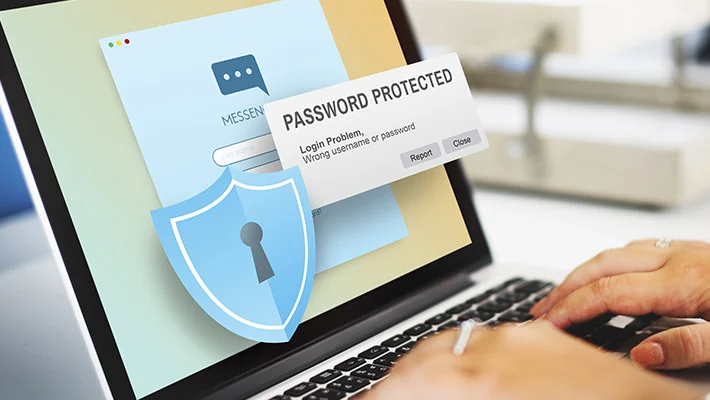
Do we still need antivirus?
Share on FacebookShare on Twitter

The conversation around antivirus software feels very different today. Modern phones and computers now ship with layers of protection built in, and obvious “virus” problems seem far less common than they were ten or fifteen years ago. That shift has led many people to ask a simple question: Do we still need antivirus software at all?

You might also like

From Phishing To Deepfakes: How Canadian Fraudsters Use Technology In 2025

Cavelo secures US$5 million to scale cybersecurity platform after 272 per cent growth

1Password Moves to Board-Led Era as Jeff Shiner Steps Back, Faugno Takes CEO Reins

When Viruses Ruled the PC

There was a time when getting a virus felt almost inevitable. A bad download or a shared USB stick could break a computer overnight. Antivirus apps were essential because operating systems had almost no protection of their own.

That era shaped the belief that every device needed a third-party antivirus. But the threat landscape and the devices we use have changed.

The Rise of Built-In Protection

Today’s phones and computers take security far more seriously. Windows defends itself with built-in threat detection. macOS blocks unknown software before it even opens. Android and iOS isolate apps so they cannot infect the entire device.

These features make traditional viruses much harder to spread. For many people, the dramatic “my computer is infected” moments simply don’t happen as often anymore.

Because of that, fewer users feel the urgent need to rush and download an extra antivirus program.

The Real Threat Has Shifted

The quiet decline of classic viruses doesn’t mean attackers have disappeared. They simply moved to easier methods.

Most modern attacks rely on tricking people rather than infecting their devices. Fake login pages, malicious browser extensions, cloned Wi-Fi networks, and convincing phishing messages do more damage today than old-school viruses ever did. These threats can bypass traditional antivirus because they target human instincts, not system files.

While people download antivirus software less often, the risk has not vanished; it has simply changed shape.

A Personal Safety Net, Not a Crisis Tool

Because devices now come with strong baseline protection, antivirus software is no longer something you install out of fear. It’s more like a seatbelt: you hope you never need it, but it helps when you make a mistake.

A modern antivirus tool offers a second set of eyes. It catches suspicious downloads, warns you about unsafe websites, and monitors unusual behaviour you would never notice on your own. It also reduces the damage when you accidentally click something you shouldn’t have.

You may not need a heavy, complex security suite, but a lightweight layer of protection still makes sense for most users.

Do People Still Download Antivirus?

The answer is yes, but not in the same way as before. People aren’t searching for “virus removal” tools every week. Instead, many rely on the protection built into their devices and only download third-party antivirus software when they want extra reassurance.

Some users never install anything at all and rarely run into issues. Others prefer having an additional guard in the background, especially on shared or work devices.

The change isn’t about antivirus disappearing; it’s about antivirus becoming less visible.

So, Do We Still Need It?

Modern devices are safer. Classic viruses are less common. Many users live comfortably without additional security apps.

But the question isn’t whether your device will catch a virus. It’s whether you want protection from the broader range of digital threats that now exist. Built-in tools cover a lot. A modern antivirus covers the gaps. Both matter in a world where attackers focus more on people than on systems.


ADVERTISEMENT
Previous Post

How to Pitch Your Startup to Canadian Investors: 6 Practical Advice for Black Entrepreneurs

Next Post

The Nod’s Real Black Friday Push Aims To Drive US$100 Million Toward Black-Owned Businesses In Canada

Recommended For You

From Phishing To Deepfakes: How Canadian Fraudsters Use Technology In 2025
Cybersecurity

From Phishing To Deepfakes: How Canadian Fraudsters Use Technology In 2025

by Onyinye Moyosore
November 20, 2025
0

Fraud in Canada used to be easy to spot. Strange emails. Poor spelling. Suspicious links. The kind of scam messages you read once, laugh at, and delete. That world is...

Read moreDetails

Cavelo secures US$5 million to scale cybersecurity platform after 272 per cent growth

July 31, 2025

1Password Moves to Board-Led Era as Jeff Shiner Steps Back, Faugno Takes CEO Reins

July 23, 2025

FINTRAC Alert Exposes Canada’s Start-up Security Blind Spot

July 17, 2025
Next Post
The Nod’s Real Black Friday Push Aims To Drive US$100 Million Toward Black-Owned Businesses In Canada

The Nod’s Real Black Friday Push Aims To Drive US$100 Million Toward Black-Owned Businesses In Canada

Netflix Moves to Acquire Warner Bros in a Deal That Reshapes Global Entertainment

Netflix Moves to Acquire Warner Bros in a Deal That Reshapes Global Entertainment

Leave a Reply Cancel reply

Your email address will not be published. Required fields are marked *

ADVERTISEMENT

Subscribe to our Newsletter

Recent News

EQT Plans Up To 10,000 Humanoid Robots Across Its Portfolio In New Partnership With 1X

EQT Plans Up To 10,000 Humanoid Robots Across Its Portfolio In New Partnership With 1X

December 12, 2025
Disney Installs OpenAI’s Sora In New Deal To Generate AI Videos With Its Characters

Disney Installs OpenAI’s Sora In New Deal To Generate AI Videos With Its Characters

December 12, 2025
Calibri Fired As State Department Font After Rubio’s New Directive

Calibri Fired As State Department Font After Rubio’s New Directive

December 12, 2025
World App Adds Encrypted Chat and Crypto Payments In New Super App Upgrade

World App Adds Encrypted Chat and Crypto Payments In New Super App Upgrade

December 12, 2025

Where Canada’s Tech Revolution Begins – Covering tech innovations, startups, and developments across Canada.​

Facebook X-twitter Instagram Linkedin

Get In Touch

United Arab Emirates (Dubai)

Email: Info@techsoma.net

Quick Links

Advertise on Techsoma

Publish your Articles

T & C

Privacy Policy

© 2025 — Techsoma Canada. All Rights Reserved

Add New Playlist

No Result
View All Result

© 2025 JNews - Premium WordPress news & magazine theme by Jegtheme.

This website uses cookies. By continuing to use this website you are giving consent to cookies being used. Visit our Privacy and Cookie Policy.
Are you sure want to unlock this post?
Unlock left : 0
Are you sure want to cancel subscription?