
Mark Zuckerberg once framed the metaverse as the next evolution of the internet. It would be immersive, persistent, and capable of redefining work and social life. Meta poured extraordinary sums into this vision. Yet the world moved in a different direction, leaving the company carrying billions in losses and forcing a strategic rethink.
The Division Built to Lead the Future
Reality Labs, Meta’s metaverse and hardware arm, became the centre of the company’s long-term plan. It was responsible for VR headsets, AR glasses, operating systems, chips, and the social platforms meant to bind everything together. The ambition was immense. So was the price tag.
From 2021 onward, Reality Labs recorded annual losses in the tens of billions. By 2025, cumulative losses passed the seventy-billion-dollar mark. Revenue from headsets and apps could not match the scale of Meta’s spending. Adoption remained slower than the company had projected, and the gap widened each year.
A Consumer Base That Never Fully Arrived
Meta expected millions to adopt VR as a daily tool. That shift never came. The headsets remained niche, attractive for gaming but not widely embraced for work or social interactions. Developers struggled to build compelling long-form experiences, and the ecosystem grew far more slowly than Meta needed.
The result was a persistent mismatch. Meta built for a world that was not ready, and consumers showed limited appetite for a fully virtual lifestyle.
A Market Moving Somewhere Else
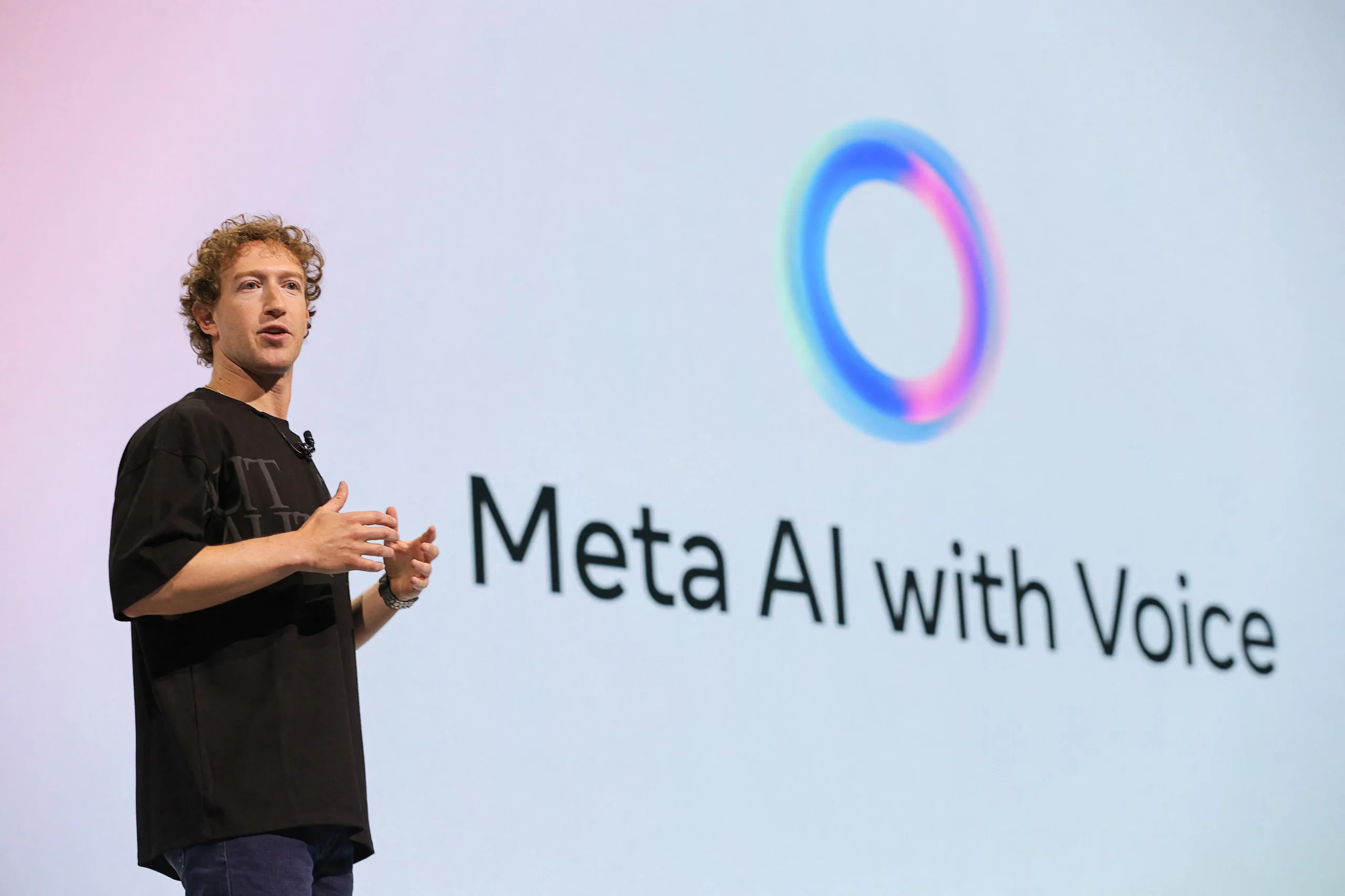
The rapid global shift toward artificial intelligence changed everything. AI tools became the new centre of attention for investors, enterprises, and regulators. Capital, talent, and public interest moved away from the metaverse. Meta itself redirected billions toward AI infrastructure, signalling a change in priorities.
This left Reality Labs exposed. Its long-term investment horizon clashed with a market demanding immediate returns and clear relevance. The company’s metaverse narrative lost momentum.
Where Meta Goes After the Billions
Meta has not abandoned its hardware ambitions. VR gaming continues. Mixed-reality devices remain in development. But the company’s strategy has become more grounded. It focuses on AI-powered assistants, productivity tools, and wearables, not a single vast virtual world.
Zuckerberg’s metaverse bet now stands as one of the most expensive experiments in modern technology. It reflects the risks of building ahead of the market and the difficulty of predicting how consumers will embrace new media.
A Gamble That Reshaped the Company
The metaverse vision changed Meta’s identity, strategy, and balance sheet. It pushed the company into hardware, redesigned its brand, and dominated its public image for years. But the financial cost is now undeniable. Billions were spent chasing a future that arrived far more slowly than promised.
As the tech industry pivots toward AI, the metaverse era serves as a reminder that even the boldest ideas need timing, demand, and a clear path to value. Meta is now rebuilding around those principles, leaving behind one of the most expensive gambles in Silicon Valley history.